GTU Celebrated the 98th Anniversary of the Establishment of the Department of Hydraulics Chair and the 94th Anniversary of the Establishment of the Department of Hydrotechnics
27-01-2025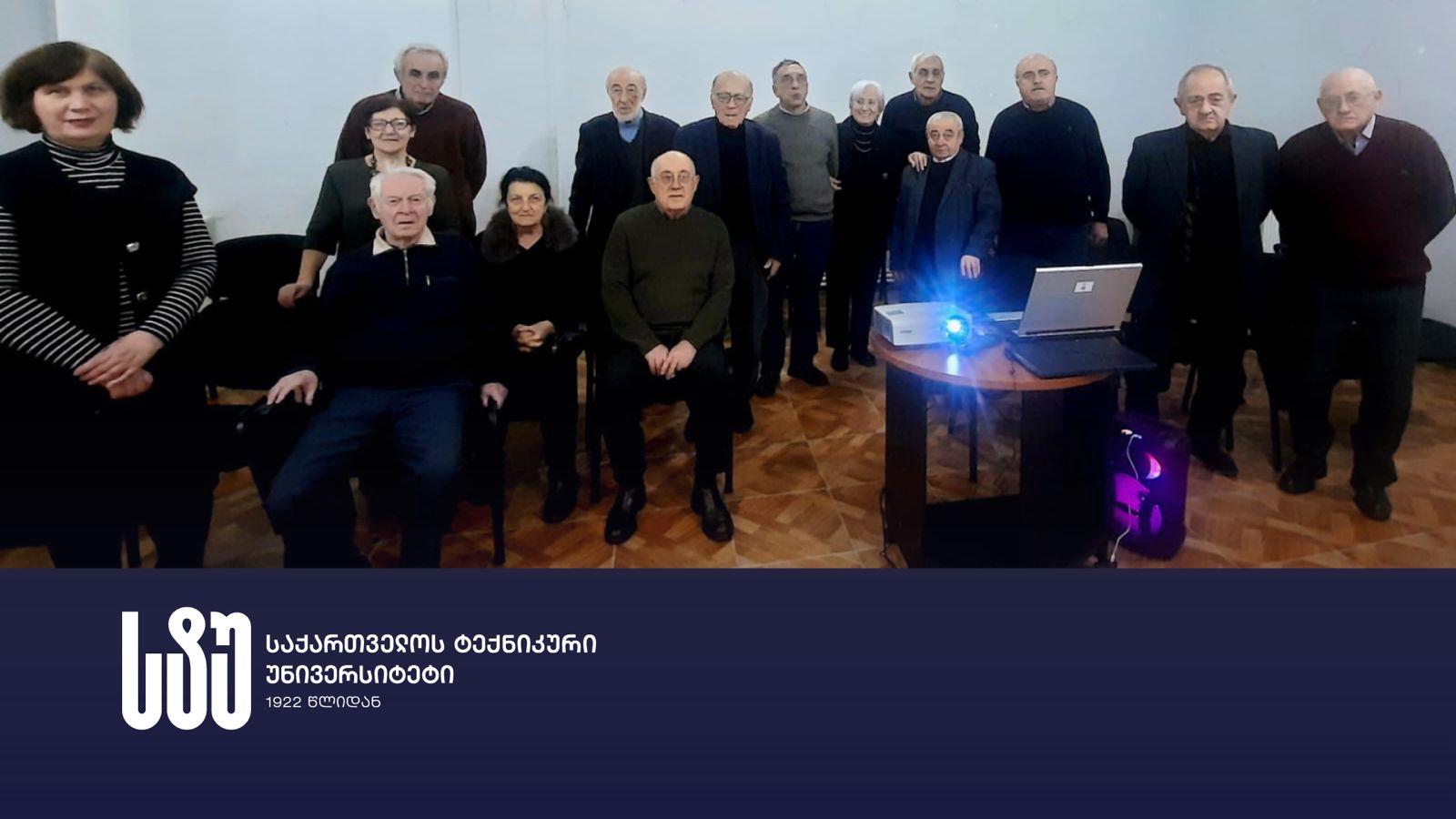
The 98th anniversary of the establishment of the Hydraulics chair, one of the oldest departments of the Georgian Technical University, and the 94th anniversary of the establishment of the Hydro-technics’ chair were celebrated.
The Head of the Department of Hydraulics and Civil Engineering of the Faculty of Construction, Professor Mirian Kalabegishvili, and the Department’s scientists and researchers - Professors Nikoloz Danelia, Archil Motsonelidze, Robert Diakonidze, Lali Ghogheliani, Amiran Sakvarelidze, Giorgi Dalakishvili, and other distinguished hydro engineers spoke to the students of the Georgian Technical University about the importance of the establishment of the chairs, the stages of development of hydroengineering in Georgia and current research.
The founding dates of the chairs of Hydraulics and Hydro-technics at the Faculty of Construction of the Georgian Technical University were attended by the representatives of the GTU administration and graduate hydraulic engineers of the university.
Head of the Department of Hydraulics and Civil Engineering, Professor Mirian Kalabegishvili, on behalf of his colleagues, thanked the Rector of the Georgian Technical University, Academician David Gurgenidze, the university administration, students, and the field specialists for their support.
As Mirian Kalabegishvili noted, the training of hydro technician engineers in Georgia began in 1922 at the Polytechnic Faculty of Tbilisi State University, and the date of the founding of the Hydraulics’ chair is considered to be January 1927.
“In 1928, four of the eight Georgian engineers of the first graduation were hydraulic engineers. The Polytechnic Faculty was separated from Tbilisi State University in 1928, and the Hydraulics chair, with its staff, was transferred to the Polytechnic Institute. Four years later, in 1931, the Hydraulics Chair was founded. The Hydraulics Chair was expanded. In 1933 it was formed into the Hydraulics and Hydraulic Machines Department and again was headed by Professor Yuri Esman. In 1942, under the leadership of Professor Galaktion Jimsheleishvili, the Hydraulics and Hydraulics Chairs were united. Since 1955, the United Chair has been headed by famous hydraulic-scientist engineers Andro Losaberidze and Nikoloz Danelia.
At various times, the department was staffed by such prominent specialists as professors Besarion Chichinadze, Parmen Jikia, Levan Gvelesiani, Nikoloz Kartvelishvili, Giorgi Chogovadze, Nodar Kereselidze, Shio Napetvaridze, Teimuraz Voinich-Syanozhensky, Pavle Shengelia, and others. It was one of the strongest and leading chairs, where specialists from not only the Soviet republics but also from Sweden, Egypt, and Canada, underwent internships.
Since 1971, on the basis of the departments of hydraulic structures, hydraulics and hydraulic machines, water supply and sewage, as well as heat supply and ventilation, the Faculty of Hydraulic Engineering and Plumbing was established, the first dean of which was Professor Ivane Amaglobeli. In different years, the faculty was headed by professors Andro Losaberidze, Nikoloz Danelia, Nikoloz Motsonelidze, Tamaz Ambroladze, Vazha Chikhladze, Otar Purtseladze, Zurab Danelia, and Lali Ghogheliani.
In parallel with the construction of the largest, base power plant in Transcaucasia - the Enguri HPP, as well as other large HPPs, to date, the university’s hydraulic engineers have developed and widely introduced into production complete types of river water intake structures and rational hydraulic schemes for their technical operation; important problems that arise during the course of riverbed processes in rivers, during the formation of dam water intake branches, general and local erosion of the riverbed, bank protection and riverbed regulation have been solved; issues of flow stability and modeling of sustainable flows have been developed, a methodology for calculating accelerated discharges of surface waters from the regions of the Colchis Lowland, as well as hydraulic problems of flows of different densities for hydraulic engineering construction have been developed, and numerous scientific studies have been conducted, as well as a number of important challenges for the country have been overcome.
Today, at the Georgian Technical University, the legal successor of the ancient departments of hydraulics and hydrotechnics is the Chair of Hydraulics and Civil Engineering, which operates at the Faculty of Construction and has a healthy ambition to prepare young generations of specialists and researchers and, in close collaboration with other departments of the university, solve the most important scientific and engineering-technical tasks for our country,” noted Mirian Kalabegishvili.
Professor Lali Ghogheliani spoke about the Department of Hydraulics and Civil Engineering tasks, current research, and the educational process, accompanied by visual material. According to her, at the Georgian Technical University, in the direction of hydraulic construction, high-level engineering and scientific personnel are prepared, whose professional level ensures the competitiveness of young specialists in Georgia and abroad.
“Today, it is of utmost importance for us to develop the training of high-level, competitive specialists and researchers, to ensure the continuity of the development of hydro and civil engineering and its integration into the international educational and scientific space. The university’s goal for young graduates is to become the leading engineering force in the country in the design of hydrotechnical facilities, engineering research, and overcoming existing challenges. For this reason, educational programs ensure involvement in the engineering problems of hydrotechnical facilities in operation, the development of engineering issues, and their presentation at student scientific conferences. High-level educational, research, and expert laboratories are available to young people.
The researchers of the department are actively involved in the analysis of the results of monitoring of Enguri HPP, Zhinval HPP, Khram HPP, Sion HPP, Algeti, and other high and low-pressure dams and tunnels and their reliability assessment, expertise, and scientific research. Each of us, teachers, is filled with joy by the successes of our young graduates. Today they are worthily employed in various leading engineering organizations in Georgia and abroad,” noted Lali Ghogheliani.
At the meeting, professors of the Department of Hydraulic and Civil Engineering introduced the students and hydro-engineers to new scientific research and international projects underway in the department.
The Head of the Department of Hydraulics and Civil Engineering of the Faculty of Construction, Professor Mirian Kalabegishvili, and the Department’s scientists and researchers - Professors Nikoloz Danelia, Archil Motsonelidze, Robert Diakonidze, Lali Ghogheliani, Amiran Sakvarelidze, Giorgi Dalakishvili, and other distinguished hydro engineers spoke to the students of the Georgian Technical University about the importance of the establishment of the chairs, the stages of development of hydroengineering in Georgia and current research.
The founding dates of the chairs of Hydraulics and Hydro-technics at the Faculty of Construction of the Georgian Technical University were attended by the representatives of the GTU administration and graduate hydraulic engineers of the university.
Head of the Department of Hydraulics and Civil Engineering, Professor Mirian Kalabegishvili, on behalf of his colleagues, thanked the Rector of the Georgian Technical University, Academician David Gurgenidze, the university administration, students, and the field specialists for their support.
As Mirian Kalabegishvili noted, the training of hydro technician engineers in Georgia began in 1922 at the Polytechnic Faculty of Tbilisi State University, and the date of the founding of the Hydraulics’ chair is considered to be January 1927.
“In 1928, four of the eight Georgian engineers of the first graduation were hydraulic engineers. The Polytechnic Faculty was separated from Tbilisi State University in 1928, and the Hydraulics chair, with its staff, was transferred to the Polytechnic Institute. Four years later, in 1931, the Hydraulics Chair was founded. The Hydraulics Chair was expanded. In 1933 it was formed into the Hydraulics and Hydraulic Machines Department and again was headed by Professor Yuri Esman. In 1942, under the leadership of Professor Galaktion Jimsheleishvili, the Hydraulics and Hydraulics Chairs were united. Since 1955, the United Chair has been headed by famous hydraulic-scientist engineers Andro Losaberidze and Nikoloz Danelia.
At various times, the department was staffed by such prominent specialists as professors Besarion Chichinadze, Parmen Jikia, Levan Gvelesiani, Nikoloz Kartvelishvili, Giorgi Chogovadze, Nodar Kereselidze, Shio Napetvaridze, Teimuraz Voinich-Syanozhensky, Pavle Shengelia, and others. It was one of the strongest and leading chairs, where specialists from not only the Soviet republics but also from Sweden, Egypt, and Canada, underwent internships.
Since 1971, on the basis of the departments of hydraulic structures, hydraulics and hydraulic machines, water supply and sewage, as well as heat supply and ventilation, the Faculty of Hydraulic Engineering and Plumbing was established, the first dean of which was Professor Ivane Amaglobeli. In different years, the faculty was headed by professors Andro Losaberidze, Nikoloz Danelia, Nikoloz Motsonelidze, Tamaz Ambroladze, Vazha Chikhladze, Otar Purtseladze, Zurab Danelia, and Lali Ghogheliani.
In parallel with the construction of the largest, base power plant in Transcaucasia - the Enguri HPP, as well as other large HPPs, to date, the university’s hydraulic engineers have developed and widely introduced into production complete types of river water intake structures and rational hydraulic schemes for their technical operation; important problems that arise during the course of riverbed processes in rivers, during the formation of dam water intake branches, general and local erosion of the riverbed, bank protection and riverbed regulation have been solved; issues of flow stability and modeling of sustainable flows have been developed, a methodology for calculating accelerated discharges of surface waters from the regions of the Colchis Lowland, as well as hydraulic problems of flows of different densities for hydraulic engineering construction have been developed, and numerous scientific studies have been conducted, as well as a number of important challenges for the country have been overcome.
Today, at the Georgian Technical University, the legal successor of the ancient departments of hydraulics and hydrotechnics is the Chair of Hydraulics and Civil Engineering, which operates at the Faculty of Construction and has a healthy ambition to prepare young generations of specialists and researchers and, in close collaboration with other departments of the university, solve the most important scientific and engineering-technical tasks for our country,” noted Mirian Kalabegishvili.
Professor Lali Ghogheliani spoke about the Department of Hydraulics and Civil Engineering tasks, current research, and the educational process, accompanied by visual material. According to her, at the Georgian Technical University, in the direction of hydraulic construction, high-level engineering and scientific personnel are prepared, whose professional level ensures the competitiveness of young specialists in Georgia and abroad.
“Today, it is of utmost importance for us to develop the training of high-level, competitive specialists and researchers, to ensure the continuity of the development of hydro and civil engineering and its integration into the international educational and scientific space. The university’s goal for young graduates is to become the leading engineering force in the country in the design of hydrotechnical facilities, engineering research, and overcoming existing challenges. For this reason, educational programs ensure involvement in the engineering problems of hydrotechnical facilities in operation, the development of engineering issues, and their presentation at student scientific conferences. High-level educational, research, and expert laboratories are available to young people.
The researchers of the department are actively involved in the analysis of the results of monitoring of Enguri HPP, Zhinval HPP, Khram HPP, Sion HPP, Algeti, and other high and low-pressure dams and tunnels and their reliability assessment, expertise, and scientific research. Each of us, teachers, is filled with joy by the successes of our young graduates. Today they are worthily employed in various leading engineering organizations in Georgia and abroad,” noted Lali Ghogheliani.
At the meeting, professors of the Department of Hydraulic and Civil Engineering introduced the students and hydro-engineers to new scientific research and international projects underway in the department.