GTU Students Participated in Archaeological Excavations of the Gurianta-Vashnari Settlement
30-10-2025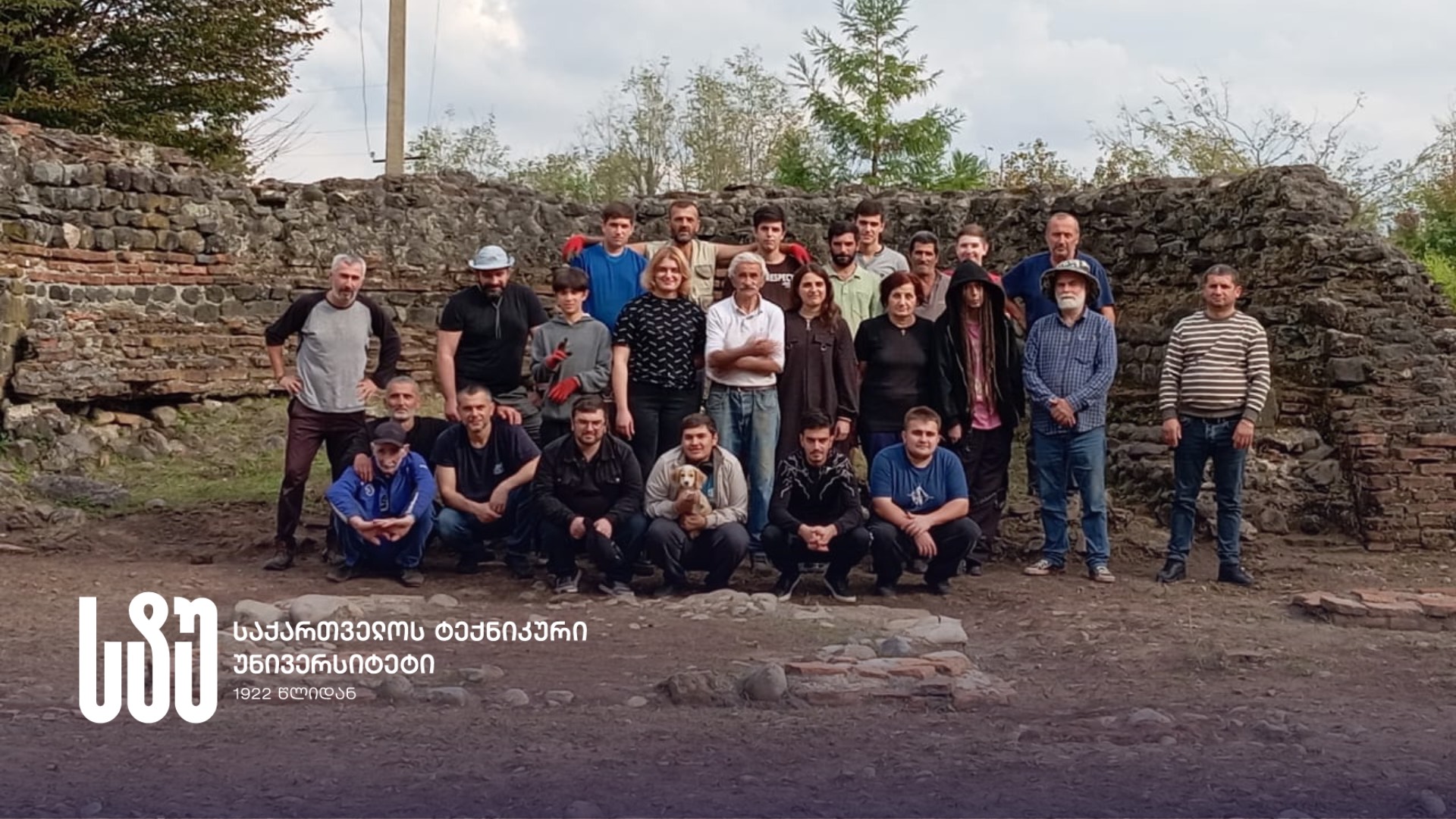
Students of the Archaeology Educational Program of the Faculty of Social Sciences of the Georgian Technical University and researchers of the Department of Archaeology and History of Georgia participated in the archaeological excavations of one of the unique monuments of the early medieval period (IV-VIII centuries A.D.) - the Gurianta-Vashnari settlement.
The archaeological expedition, which lasted for a month in the village of Gurianta, until the end of October, attended the students of the Bachelor’s Program in Archaeology of the Georgian Technical University: Kristine Kordzadze, Giga Varsimashvili, Omar Shubitidze, Nikoloz Akhvlediani, Temur Kenchoshvili, and Sandro Kopaleishvili, as well as doctoral students - Aleksandre Nazghaidze and Tamta Chovelidze. The archaeological work was led by renowned archaeologists, professors of the Department of Archaeology and History of Georgia of the GTU Faculty of Social Sciences - Vazha Sadradze and Merab Dzneladze.
As the mentors of the GTU archaeological expedition note, based on the project approved by the National Agency for the Protection of Cultural Heritage of Georgia, the main goal of conducting work on the Gurianta-Vashnari settlement was to clarify the plans of individual objects and prepare them for conservation and restoration.
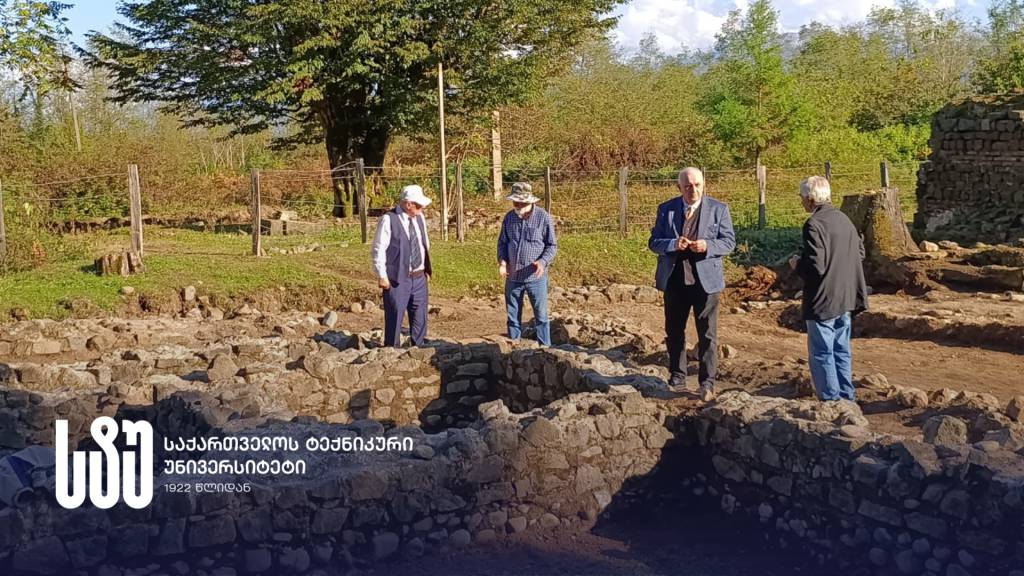
According to the scientists, the work carried out by the students of the Georgian Technical University within the framework of the archaeological expedition included the excavation and cleaning of the medieval historical settlement wall, the remains of the acropolis, the three-nave basilica, the martyrium and towers, study, exploring and planning work, which the young people carried out with great responsibility; accordingly, specific sections of the Gurianta-Vashnari 4th-8th century monument are ready for conservation and restoration work.
The ongoing archaeological excavations at the Gurianta-Vashnari settlement were inspected, and the work carried out by the students participating in the expedition was reviewed on site by Professor Aleksandre Sichinava, Acting Dean of the GTU Faculty of Social Sciences.
According to him, during the fieldwork, the students of the archaeology educational program gained significant practical experience and obtained comprehensive information about the early medieval monument.
“The archaeological expedition of the Georgian Technical University, which was conducted under the mentorship of famous researchers of our faculty - Merab Dzneladze and Vazha Sadradze, involved a lot of painstaking and scrupulous work. I saw all this with my own eyes, and I am glad that our students coped with all the work meticulously. With the direct support of the university administration and the rector, Academician David Gurgenidze, the expedition was perfectly prepared. The youth was provided with the necessary equipment, preparation tools, food, and transportation. It is important that in the field, they deepened their theoretical knowledge and acquired the practical skills necessary for their profession. We are sure that the students will have an unforgettable month spent in the Gurianta-Vashnari settlement, which was full of impressions and new knowledge,” said Aleksandre Sichinava.
The materials and results of the archaeological expedition conducted by a group of students and researchers from the Georgian Technical University on the site of the medieval Gurianta-Vashnari settlement in the village of Gurianta, Ozurgeti Municipality, will be published in the GTU’s scientific research archaeology journal, “Almanac”.
The archaeological expedition, which lasted for a month in the village of Gurianta, until the end of October, attended the students of the Bachelor’s Program in Archaeology of the Georgian Technical University: Kristine Kordzadze, Giga Varsimashvili, Omar Shubitidze, Nikoloz Akhvlediani, Temur Kenchoshvili, and Sandro Kopaleishvili, as well as doctoral students - Aleksandre Nazghaidze and Tamta Chovelidze. The archaeological work was led by renowned archaeologists, professors of the Department of Archaeology and History of Georgia of the GTU Faculty of Social Sciences - Vazha Sadradze and Merab Dzneladze.
As the mentors of the GTU archaeological expedition note, based on the project approved by the National Agency for the Protection of Cultural Heritage of Georgia, the main goal of conducting work on the Gurianta-Vashnari settlement was to clarify the plans of individual objects and prepare them for conservation and restoration.
According to the scientists, the work carried out by the students of the Georgian Technical University within the framework of the archaeological expedition included the excavation and cleaning of the medieval historical settlement wall, the remains of the acropolis, the three-nave basilica, the martyrium and towers, study, exploring and planning work, which the young people carried out with great responsibility; accordingly, specific sections of the Gurianta-Vashnari 4th-8th century monument are ready for conservation and restoration work.
The ongoing archaeological excavations at the Gurianta-Vashnari settlement were inspected, and the work carried out by the students participating in the expedition was reviewed on site by Professor Aleksandre Sichinava, Acting Dean of the GTU Faculty of Social Sciences.
According to him, during the fieldwork, the students of the archaeology educational program gained significant practical experience and obtained comprehensive information about the early medieval monument.
“The archaeological expedition of the Georgian Technical University, which was conducted under the mentorship of famous researchers of our faculty - Merab Dzneladze and Vazha Sadradze, involved a lot of painstaking and scrupulous work. I saw all this with my own eyes, and I am glad that our students coped with all the work meticulously. With the direct support of the university administration and the rector, Academician David Gurgenidze, the expedition was perfectly prepared. The youth was provided with the necessary equipment, preparation tools, food, and transportation. It is important that in the field, they deepened their theoretical knowledge and acquired the practical skills necessary for their profession. We are sure that the students will have an unforgettable month spent in the Gurianta-Vashnari settlement, which was full of impressions and new knowledge,” said Aleksandre Sichinava.
The materials and results of the archaeological expedition conducted by a group of students and researchers from the Georgian Technical University on the site of the medieval Gurianta-Vashnari settlement in the village of Gurianta, Ozurgeti Municipality, will be published in the GTU’s scientific research archaeology journal, “Almanac”.