GTU scientists are investigating the potential of mineral waters in the context of sustainable use and ecological safety
10-09-2025
Scientists from the Institute of Hydrogeology and Engineering Geology of the Georgian Technical University are working on a grant project - “Research of mineral waters of the Georgian intermontane depression to determine their hydro chemical characteristics and resource potential”.
The research aims to conduct a comprehensive study of the mineral waters of the intermontane depression. It will determine chemical composition of water, hydrodynamic conditions, and resource volume. The project team includes Ludmila Glonti, Head of the Hydrogeology Department at the Institute of Hydrogeology and Engineering Geology, Senior Scientist Ludmila Glonti, scientists Inguli Nanadze, Manana Kopadze, Avtandil Songhulashvili, and engineer Lasha Khvichia.
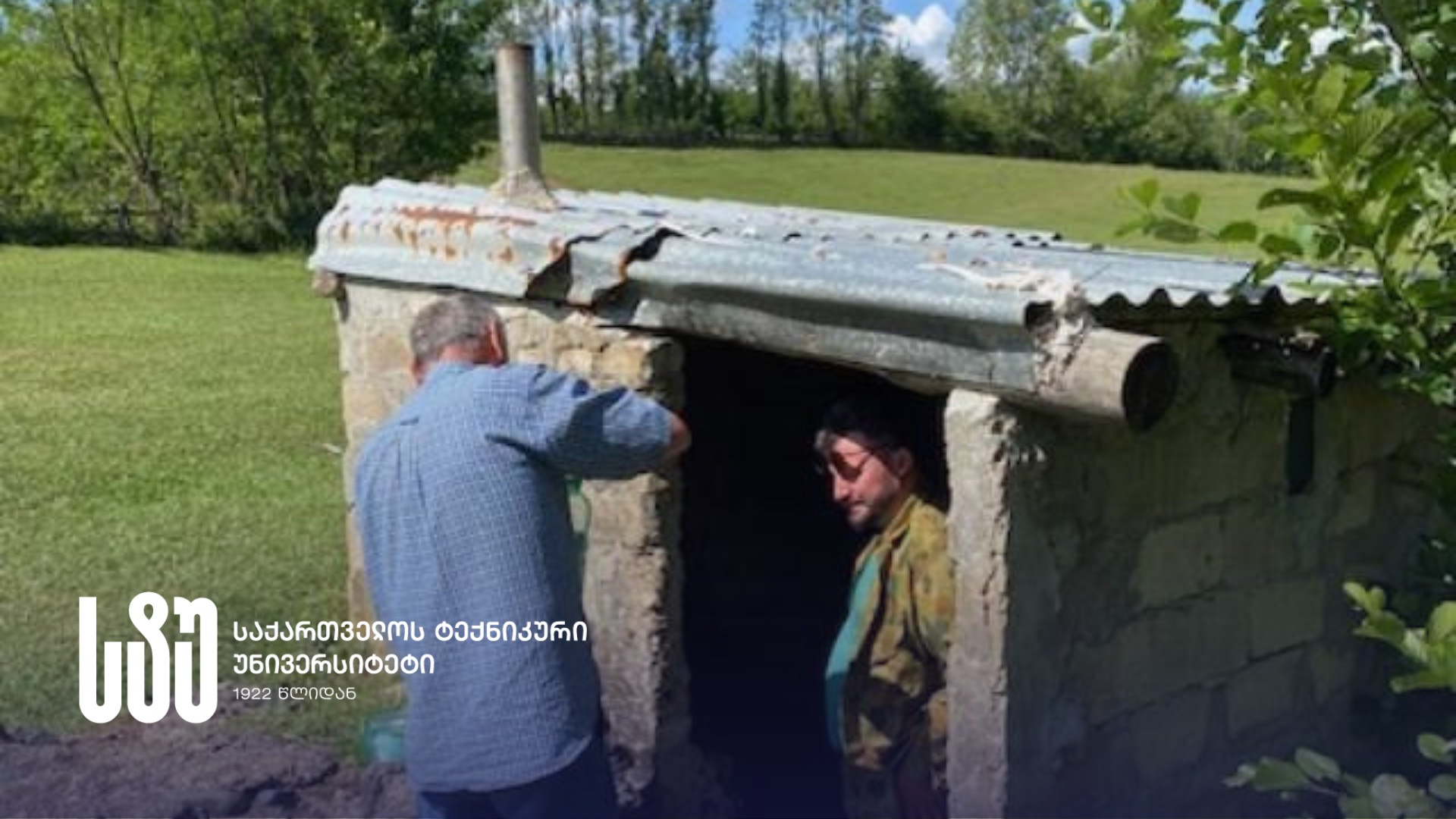
According to Lyudmila Glonti, thermal and hydrogen sulfide mineral waters are mainly distributed in the Georgian intermountain depression. Thanks to their special chemical composition, these waters have healing properties for skin, cardiovascular, and bone and joint diseases. Some of these resources have already been utilized, supporting the operation of several balneological resorts. However, certain waters remain unused due to insufficient study. As the scientist notes, clarifying and presenting of the resources and chemical composition of the waters will provide impetus for the creation and operation of new medical facilities, balneological resorts, and sanatoriums based on them.
“The quantitative and qualitative resource potential of the mineral waters of the Georgian intermountain depression is high. The quantitative flow of the sources is sufficient for both domestic consumption and balneological use, as well as for international export. The unique chemical composition of the waters, such as natural hydrogen sulfide, trace elements, and thermos-mineral waters, qualitatively give them a unique niche in the world market. The main challenges of sustainable use of natural mineral waters are excessive use, the risk of chemical composition changes, pollution, climate impact, technical problems, and insufficient monitoring. To overcome them, reasonable quotas, strict monitoring, and protection of sources are needed to preserve mineral waters for future generations. The results of the study will be integrated into the regional strategy in three directions: medical - official recognition and development of treatment centers; tourist - modernization of resorts, branding, international marketing; environmental - protection and sustainable use of water resources. The study within the framework of the project, based on existing foundation materials and a survey of the local population, we are determining the sources of mineral waters. The research aims to search for and describe new sources of mineral waters and monitor existing springs and wells. I would also like to note that future research within the framework of the project includes several directions: long-term monitoring of mineral waters, during which seasonal samples should be regularly taken and laboratory analyses conducted; creation of digital maps of springs using GIS technologies; as well as research and international popularization of the unique properties of waters,” says Ludmila Glonti.
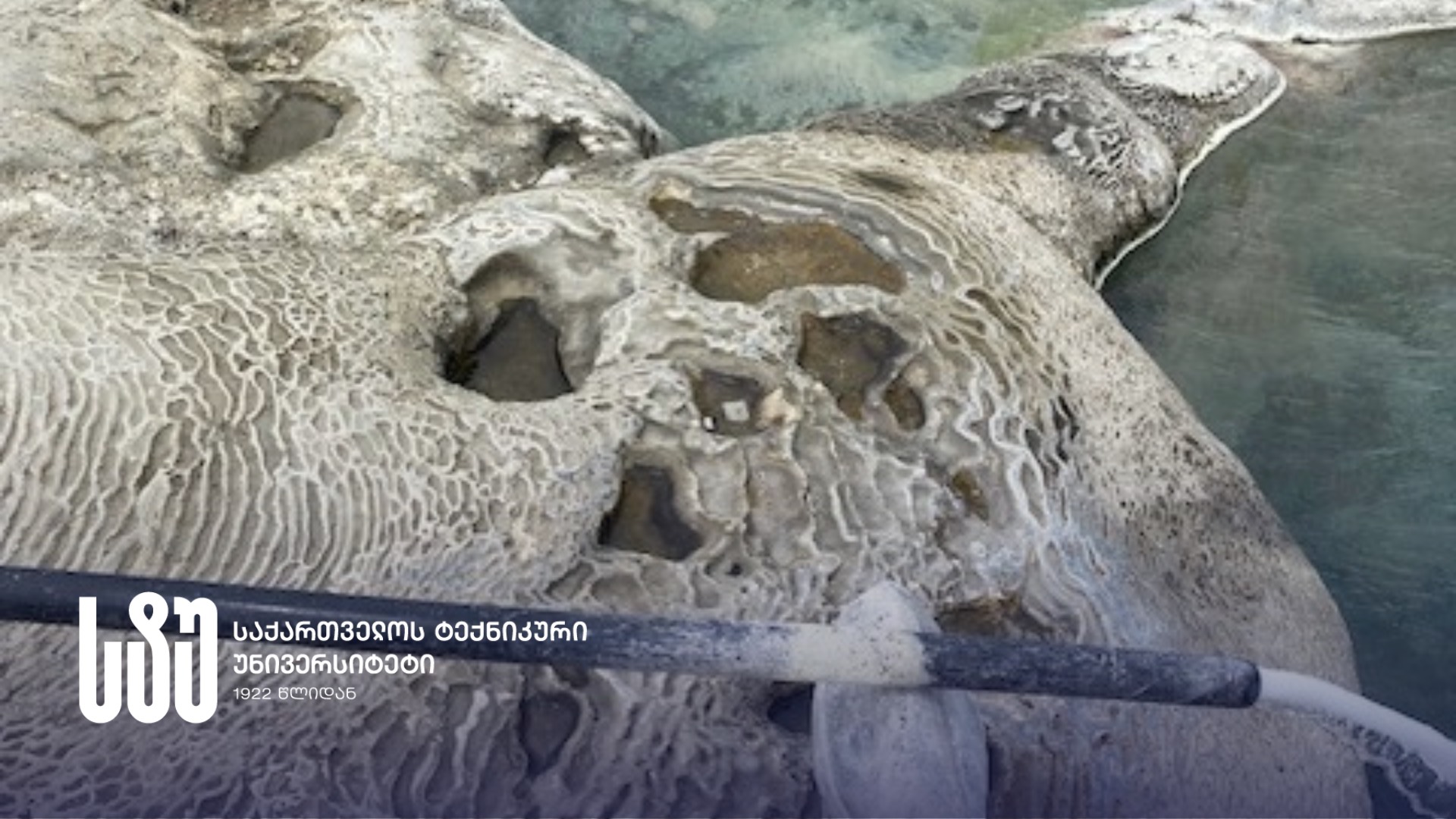
The grant project – “Research of mineral waters of the Georgian intermontane depression to determine their hydro chemical characteristics and resource potential” – is a study of strategic importance, which allows the country to assess the process and practice of natural resource management. The study is based on an integrated approach: on the one hand, it ensures the creation of a scientifically reliable basis for the quantitative and qualitative assessment of mineral water resources, which is necessary for their rational, sustainable, and economically targeted use; on the other hand, it will make a significant contribution to the protection of Georgia’s natural resources. In addition, the mineral water management optimization and the development of a long-term strategy will contribute to both economic developments, including the strengthening of regional tourism and the sanatorium-balneological sector, as well as the conservation of the natural environment. It is particularly noteworthy that such studies contribute to the prevention of excessive extraction of groundwater reserves and contribute to maintaining ecosystem balance, which is extremely important in the context of climate change.